How to Prepare Hair for a Lab Test Without Damaging It
Why Preparation Matters More Than You Think
Sending a hair sample to a laboratory is not the same as mailing a form. The way your hair looks, feels, and even smells on the day of collection can influence the results. Laboratories look for traces of substances that have been incorporated into the hair shaft over time. They also check for external contamination that could muddy the reading. That is why preparation is not just a cosmetic step. It is a practical one that can affect the outcome.
Many people assume that washing their hair with a regular shampoo a few hours before the test is enough. But standard shampoos are designed to clean the scalp and remove everyday dirt, not to address the buildup that can linger in the hair cuticle. Over time, styling products, oils, and environmental pollutants can coat the strand. This layer can interfere with the lab's analysis, either by trapping external substances or by making it harder for the lab to read what is actually inside the hair.
This is where a thoughtful approach to hair test preparation comes in. The goal is to give the lab a clean, unaltered sample that reflects your normal hair, not one that has been stripped or treated in a way that raises questions. You want to remove surface buildup without affecting the inner structure of the hair.
What Happens in the Lab
Laboratories that analyze hair for drug metabolites typically wash the sample first to remove external contamination. Then they break down the hair and test for specific compounds. The washing step is crucial because it separates what is on the hair from what is inside it. If your hair is heavily coated with products or oils, the lab's wash may not be enough to get a clear picture. That can lead to ambiguous results or a request for a new sample.
Understanding this process helps you see why your own preparation matters. You are not trying to alter the internal content of your hair. You are simply making sure the external surface is as clean as possible so the lab can do its job accurately.
Start with the Right Cleanser
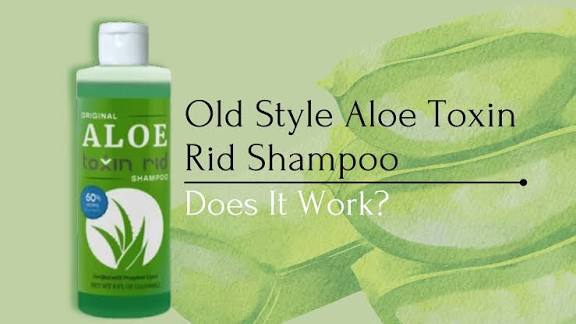
Not all shampoos are equal when it comes to preparing hair for a test. A detox shampoo is formulated to break down and lift away buildup that regular shampoos leave behind. They often contain ingredients that bind to oils, silicones, and other residues, allowing them to be rinsed away more effectively.
Look for a cleanser that is gentle enough for regular use. Harsh chemicals can strip the hair of its natural oils, leaving it brittle and prone to breakage. That is not helpful when you need a sample that is intact and representative. A product with aloe as a base is a good choice because aloe is known for its soothing and moisturizing properties. It helps maintain the scalp's natural balance while the cleansing agents do the work of removing buildup.
Aloe-Based Cleansers: A Gentle Option
Aloe-based cleansers are particularly appealing for hair test preparation because they offer a middle ground. They are effective at lifting away residue, but they do not leave the hair feeling stripped or dry. The aloe helps to hydrate the scalp and hair, which can reduce the risk of irritation if you need to wash more than once in the days leading up to the test.
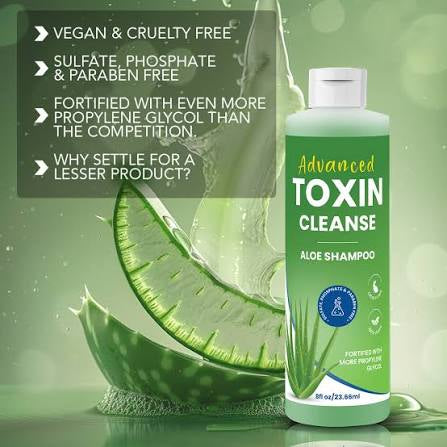
When you choose a detox shampoo, read the label carefully. Look for ingredients that target buildup, such as activated charcoal, clay, or certain citrus extracts. Avoid products that are heavily fragranced or contain artificial dyes, as these can leave their own residue. The simpler the formula, the less chance there is of introducing new contaminants.
How to Wash Your Hair Before a Test
Timing and technique matter as much as the product you choose. Here are some practical steps to follow:
- Wash your hair at least 24 hours before the collection, but not immediately before. This gives the scalp time to return to its normal pH balance and avoids any lingering scent from the shampoo.
- Use warm water, not hot. Hot water can open the cuticle too much, which might cause the lab to question whether the sample was manipulated.
- Massage the shampoo into your scalp gently with your fingertips, not your nails. Focus on the roots and work your way to the tips.
- Rinse thoroughly. Leftover shampoo residue can be just as problematic as the buildup you are trying to remove.
- If your hair is long or thick, you may need to repeat the wash once. But do not overdo it. Two washes in one session is usually enough.
After washing, let your hair air dry. Avoid using heat styling tools, as high temperatures can alter the hair's structure. Also, skip any leave-in conditioners, serums, or oils after washing. These products will coat the hair again and undo your efforts.
What to Avoid in the Days Before the Test
Your preparation should not stop at the wash. What you do in the days leading up to the test can affect the sample. Here are some things to watch out for:
- Do not use hairspray, gel, or mousse on the day of collection. These products can leave a visible residue that the lab may flag.
- Avoid swimming in chlorinated pools or spending time in heavily polluted environments. These can deposit external substances on the hair.
- Skip any chemical treatments like coloring, perming, or relaxing. These processes change the hair's structure and can interfere with the analysis.
- Do not use any special "cleansing" treatments that claim to remove all traces of substances from the hair. These are often harsh and may actually cause the lab to see an inconsistent sample.
- Keep your hair in a loose style, not tightly braided or pulled back. A tight style can break the hair, and broken strands may not be usable.
If you are unsure whether a product is safe to use, err on the side of caution. The lab wants a sample that reflects your normal hair, not one that has been subjected to unusual treatments.
The Role of Scalp pH and Hair Porosity
Your scalp's pH balance plays a role in how well your hair holds onto substances. A healthy scalp has a slightly acidic pH, which keeps the cuticle flat and the hair smooth. When the pH is too alkaline, the cuticle opens up, making the hair more porous. This can affect how much external material gets absorbed.
Hair porosity refers to how easily your hair absorbs and retains moisture. If you have high-porosity hair, it may absorb more from the environment, including pollutants and product residues. If you have low-porosity hair, buildup can sit on the surface more easily. Understanding your hair's porosity can help you choose the right cleanser. For high-porosity hair, a moisturizing detox shampoo with aloe is ideal. For low-porosity hair, you may need a slightly stronger clarifying formula, but be careful not to overdo it.
Common Mistakes to Avoid
One of the biggest mistakes people make is washing their hair too aggressively in the hope of getting a "super clean" sample. This can backfire. Over-washing can strip the hair of its natural oils, causing the scalp to produce more oil to compensate. That excess oil can then coat the hair again, creating a new layer of buildup.
Another mistake is using a regular shampoo right before the test and assuming it is sufficient. Regular shampoos are not formulated to remove the deep-seated residues that detox shampoos target. They may leave behind traces of silicones or other conditioning agents that can interfere with the lab's analysis.
Finally, do not wait until the last minute. If you only wash your hair the night before the test, you may not have time to assess whether the shampoo caused any irritation or left any residue. Give yourself at least a few days to test your preparation routine.
Putting It All Together
Hair test preparation is about being deliberate, not obsessive. You want to present a sample that is clean on the outside and unchanged on the inside. That means choosing a gentle but effective detox shampoo, washing with care, and avoiding anything that could add new contaminants.
A simple routine might look like this: two days before the test, wash your hair once with a detox shampoo that contains aloe. Let it air dry, and do not apply any products afterward. The next day, rinse your hair with warm water only, no shampoo. On the day of the test, arrive with your hair dry and loose. This gives the lab a clear, uncoated sample to work with.
Remember that the goal is not to erase history from your hair. It is to give the lab a fair and accurate representation of what is there. By taking the time to prepare properly, you reduce the risk of contamination and help ensure that the results reflect your true hair profile.